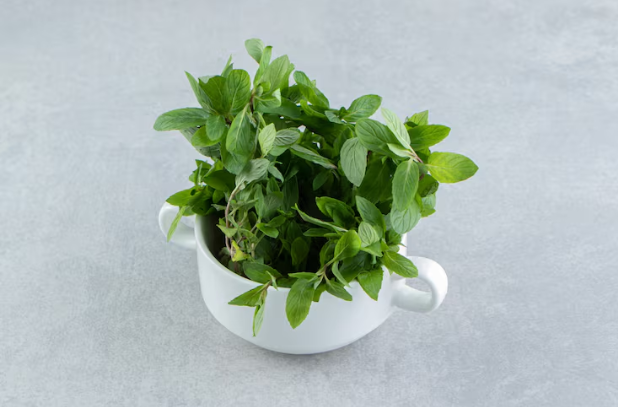
In many Indian households, the tulsi plant is more than just greenery—it is a daily presence in rituals, a source of leaves for home remedies, and a symbol of protection and auspiciousness. When you look for tulsi plant online today, you’ll notice there isn’t just one type but several distinct varieties, each with its own appearance, aroma, and traditional associations.
Why There Are Different Types Of Tulsi
Tulsi, or holy basil, includes several closely related varieties grouped under the broader holy basil category. Different regions and traditions favour specific types, which is why online collections often mention multiple names. Exploring the different types of tulsi plants online and their characteristics helps you choose one that matches both your aesthetic preferences and your intended use.
Some people prioritise fragrance, others leaf shape or colour, and some look for specific varieties mentioned in traditional texts or family practices.
Rama, Krishna, Vana, And Kapoor Tulsi
When you browse types of holy basil plants to buy online, you’ll frequently see four names: Rama Tulsi, Krishna Tulsi, Vana Tulsi, and Kapoor Tulsi.
- Rama Tulsi is often described as having green leaves, a pleasant aroma, and a balanced growth habit, making it a common choice for home courtyards and balconies.
- Krishna Tulsi usually has darker, purplish stems and sometimes more intense fragrance, giving it a distinctly different visual presence.
- Vana Tulsi is sometimes associated with more “wild” or strongly aromatic growth and can grow larger where conditions allow.
- Kapoor Tulsi is often noted for its strong, sweet aroma and vigorous growth, making it attractive for both ritual and practical use.
Rama Tulsi vs Krishna Tulsi vs Vana Tulsi vs Kapoor Tulsi characteristics often come down to colour, aroma, and growth habit, so photos and descriptions become important when you decide which to bring home.
Exploring Amrita, Lakshmi, And Lemon Tulsi
Beyond the more widely known names, you may also encounter Amrita Tulsi, Lakshmi Tulsi, and Lemon Tulsi when you buy tulsi plant online.
- Amrita Tulsi is sometimes highlighted for certain traditional or regional preferences; differences from Rama Tulsi can include leaf size, fragrance, or plant form.
- Lakshmi Tulsi plant characteristics vs Rama Tulsi may involve subtle variations in aroma and leaf shape, with some families favouring it for specific rituals.
- Lemon Tulsi stands out due to its distinct citrus‑like aroma, which makes it interesting for teas and infusions in addition to spiritual or decorative use.
Lemon Tulsi plant properties and where to buy online often interest people who enjoy herbal teas or want a fresher, more citrusy scent in their tulsi leaves.
How To Decide Which Tulsi Plant To Bring Home
With so many names, the choice can feel confusing at first. A simple approach is to think through:
- Purpose: primarily ritual, medicinal/tea use, or both.
- Space: balcony pots, terrace planters, or ground planting.
- Aroma and look: whether you prefer green or purplish tones, mild or strong fragrance.
If you’re unsure, starting with a classic Rama or Krishna Tulsi is a safe option, then adding other types—like Vana or Lemon Tulsi—as you get more curious. Many people eventually enjoy having more than one variety to see and smell the differences directly.
Sourcing From Reputable Online Nurseries
When looking for reputable online nurseries for holy basil India, it’s useful to check:
- Whether the variety names are clearly mentioned.
- If the site provides photos that match each type.
- Any notes on growth habit, height, and leaf characteristics.
Because many tulsi varieties look similar at a glance, honest labelling and consistent reviews help ensure you receive the type you intended to order. This is particularly important if you’re searching for a specific variety for long‑term ritual or personal use.
Basic Care Across Tulsi Varieties
Although there are differences between varieties, core care is similar for most tulsi plants:
- They generally prefer good light, with several hours of sun for healthiest growth.
- Soil should drain well while still retaining some moisture.
- Regular pinching of tips encourages bushier growth and more leaves.
Adjusting watering and sun exposure slightly based on your exact climate helps tulsi establish strongly and stay productive through the growing season.
Conclusion
Exploring tulsi plant varieties opens up more options than simply “having tulsi at home.” Each type—Rama, Krishna, Vana, Kapoor, Amrita, Lakshmi, or Lemon—offers its own combination of look, aroma, and traditional associations. By understanding these differences and choosing from reputable online sources, you can build a small tulsi collection that reflects both your cultural practices and personal taste, turning a single sacred plant into a richer, more varied presence in your home.




Be the first to comment on "Which Tulsi Plant Varieties Should You Explore For Your Home?"