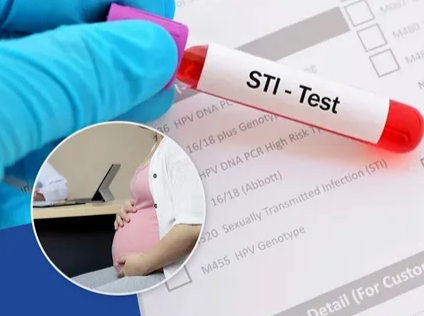
Sexual health is an essential part of overall well-being, yet it is often overlooked or delayed due to fear, stigma, or misinformation. In a city as large and diverse as Chicago, women have access to high-quality medical services but knowing when, where, and how to seek sexually transmitted infection (STI) testing is crucial. Understanding the risks, symptoms, testing options, and local resources empowers women to take control of their health and prevent long-term complications.In Chicago, women increasingly rely on accessible community clinics and urgent care centers for fast, confidential screening. According to the Centers for Disease Control and Prevention (CDC), nearly 1 in 5 people in the United States has an STI at any given time, with young women.
Why STI Testing Matters for Women
Many STIs show no immediate symptoms. Infections such as chlamydia and gonorrhea can remain silent for months while causing internal damage. If untreated, these infections may lead to pelvic inflammatory disease (PID), infertility, chronic pelvic pain, and increased risk of ectopic pregnancy. The American College of Obstetricians and Gynecologists (ACOG) recommends annual chlamydia and gonorrhea screening for sexually active women under 25 and for older women with risk factors.
Chicago reflects national trends. The Chicago Department of Public Health (CDPH) regularly reports higher STI rates in certain neighborhoods, particularly among young adults. Public data shows that chlamydia remains one of the most commonly reported infections in the city. These statistics underline the importance of routine testing, especially for women who may not experience symptoms, making urgent care STI testing (Sexually Transmitted Infection testing) an essential and convenient option for early detection and timely treatment.
Common STIs Every Woman Should Know
Understanding the most common infections can reduce anxiety and encourage proactive care:
- Chlamydia – Often symptomless; may cause abnormal discharge or pelvic pain.
- Gonorrhea – Can infect the cervix, rectum, and throat.
- Human Papillomavirus (HPV) – Extremely common; certain strains are linked to cervical cancer.
- Herpes (HSV-1 and HSV-2) – Causes painful blisters or sores but can also remain dormant.
- Syphilis – Progresses in stages and can become life-threatening if untreated.
- HIV – Attacks the immune system and requires early detection for effective treatment.
The CDC confirms that early detection significantly reduces complications and transmission rates. Timely testing and treatment are key public health strategies.
When Should Women Get Tested?
Experts recommend testing in the following situations:
- Before starting a new sexual relationship
- After unprotected sex
- If experiencing unusual discharge, itching, sores, or pelvic pain
- During pregnancy
- If a partner tests positive for an STI
Routine screening is not a sign of mistrust it’s responsible healthcare. Many women in Chicago schedule testing as part of their annual wellness visits, while others choose urgent clinics for faster service when symptoms appear.
What to Expect During STI Testing
One of the biggest barriers to testing is fear of the unknown. In reality, STI testing is straightforward and usually quick. Depending on the infection being screened, testing may include:
- A urine sample
- A blood test
- A vaginal swab
- A throat or rectal swab (if indicated)
Most appointments take less than 30 minutes. Results can be available within a few days, and some infections offer rapid testing options. Facilities offering urgent care–based STI testing in Chicago often provide same-day evaluations, which is especially helpful for women experiencing anxiety after potential exposure.
Privacy and Confidentiality in Chicago
Illinois law protects patient privacy. Women aged 12 and older can consent to STI testing and treatment without parental permission. Confidentiality is protected under state and federal regulations, including HIPAA. For many women, knowing their information remains private removes a significant barrier to care.
Chicago also offers community clinics and nonprofit health centers for women who may not have insurance. Organizations such as the Nova Med Urgent Care and city-supported health clinics provide accessible screening programs and sexual health education.
The Role of Vaccination and Prevention
Testing is only one part of sexual health. Prevention strategies are equally important:
- Consistent condom use
- HPV vaccination
- Open communication with partners
- Routine Pap smears
- Limiting the number of sexual partners
The World Health Organization (WHO) emphasizes that vaccination against HPV dramatically reduces the risk of cervical cancer (WHO HPV Fact Sheet: https://www.who.int/news-room/fact-sheets/detail/human-papillomavirus-(hpv)-and-cervical-cancer). Women in Chicago can receive the HPV vaccine at primary care clinics and urgent care facilities.
Why Early Action Makes a Difference
Delaying STI testing increases health risks and emotional stress. Untreated infections may spread to reproductive organs, impact fertility, or increase vulnerability to HIV infection. Early testing ensures quicker treatment, which often involves a simple antibiotic regimen.
Women searching online for urgent women’s health care in Chicago often need reassurance that same-day care is available and affordable. Access to urgent-care-based women’s health services across the city bridges gaps for those who cannot wait weeks for an appointment. Reliable urgent STI screening services provide rapid diagnostics and immediate treatment options, reducing community transmission and protecting long-term health outcomes.
Addressing Stigma Around STI Testing
Despite medical advancements, stigma remains one of the biggest obstacles to testing. Sexual health is healthcare nothing more, nothing less. Public health officials in Chicago continue community outreach programs to normalize conversations around testing and prevention.
Healthcare professionals emphasize that anyone who is sexually active can contract an STI. Testing is a proactive and responsible choice. Framing STI screening as part of regular health maintenance helps remove shame and encourages more women to seek timely care.
The Importance of Choosing Credible Sources
With misinformation circulating online, women should rely on trusted health authorities. The CDC, ACOG, WHO, and local public health departments provide evidence-based guidelines backed by research and clinical data. When reading articles or health advice, always look for sources supported by medical organizations and peer-reviewed research.
Webmasters and health bloggers referencing credible data strengthen their own authority and provide readers with reliable information. Linking to trusted institutions enhances trust and demonstrates commitment to accuracy key pillars of EEAT (Experience, Expertise, Authoritativeness, Trustworthiness).
Empowering Women Through Knowledge
Sexual health literacy leads to better decision-making. Women who understand symptoms, risk factors, and testing options are more likely to protect themselves and their partners. In a large metropolitan area like Chicago, access to urgent care centers, women-focused clinics, and public health resources ensures that testing is both convenient and confidential.
Taking charge of sexual health is an act of empowerment. By understanding the facts, utilizing local services, and following evidence-based guidelines, women can protect their reproductive health and long-term well-being.
Frequently Asked Questions (FAQ)
1. How often should women in Chicago get STI testing?
Sexually active women under 25 should be tested annually for chlamydia and gonorrhea. Women with new or multiple partners may need more frequent screening, according to CDC guidelines.
2. Are STI tests painful?
Most tests involve a urine sample or simple swab and cause little to no discomfort.
3. Can I get tested without symptoms?
Yes. Many STIs show no symptoms, which is why routine screening is recommended.
4. How quickly will I receive results?
Results typically arrive within a few days, though some clinics offer rapid testing options.
5. Is STI testing confidential in Illinois?
Yes. Illinois law allows minors and adults to consent to STI testing, and patient information is protected under privacy laws.
Be the first to comment on "Women’s STI Testing: What Every Woman Needs to Know"