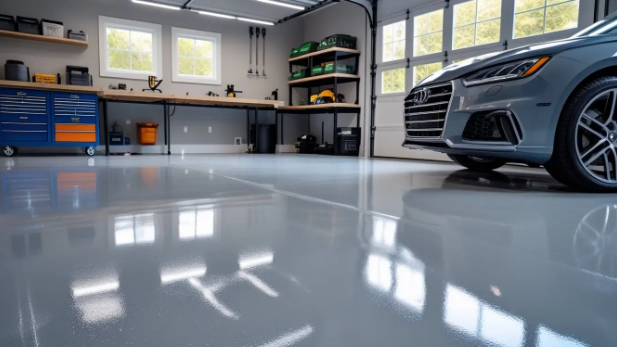
Your garage floor takes a beating every single day. Oil spills, tire marks, heavy tools, and constant foot traffic all leave their mark. That’s why more homeowners in Woodland Park, NJ are choosing durable floor coatings to protect their concrete. But when you start looking into this upgrade, the pricing can feel confusing. Why does one contractor quote $3 per square foot while another says $8? What’s really driving these numbers? Let’s break down exactly what affects the cost of protecting your garage floor. Understanding these factors helps you make a smart choice for your space and budget.
The Size of Your Space Matters Most
This one seems obvious, but it’s your biggest cost factor. A single-car garage runs about 200-250 square feet. A two-car garage doubles that. Three-car garages can hit 600-800 square feet.
Contractors typically charge less per square foot for larger areas. The setup and prep work stays roughly the same whether they’re coating 200 or 600 square feet. So bigger spaces often mean better per-square-foot rates. Measure your garage before getting quotes. Don’t guess. Accurate measurements mean accurate estimates.
Current Floor Condition Changes Everything
Is your concrete new and smooth? Or is it cracked, stained, and uneven? The condition of your existing floor directly impacts preparation time. New concrete needs minimal prep. Older floors might need extensive repairs first.
Cracks must be filled. Oil stains require special treatment. Uneven areas need grinding down. All of this adds labor hours and material costs. Some floors in Woodland Park homes from the 1960s and 70s need more work than newer construction. That’s not a red flag. It’s just reality.
The Coating Type You Choose
Not all floor coatings are created equal. Garage epoxy flooring has become incredibly popular because it’s durable and looks professional. But it’s just one option among several. Basic epoxy systems cost less upfront. Premium polyurea or polyaspartic coatings cost more but cure faster and last longer. Some homeowners choose hybrid systems that blend different technologies.
Each coating type has different material costs. Application requirements vary too. Faster-curing products might reduce labor time but increase material expenses. Think about how you use your garage. A weekend DIY space has different needs than a home gym or workshop.
Preparation Work Is Half the Battle
Surface prep isn’t glamorous, but it’s critical. Proper preparation ensures your coating actually bonds to the concrete. Professional contractors typically grind or acid-etch the floor. This opens up the concrete pores so the coating can grip properly. Skipping this step leads to peeling and failure.
Grinding equipment is expensive. It creates dust that needs containment. The process takes time. But it’s absolutely necessary for long-lasting results. Cheaper quotes often cut corners on prep work. That’s a huge red flag.
How Many Coats Does Your Floor Need?
Most quality installations use multiple layers. A typical system includes a primer coat, base coat, decorative flakes, and topcoat. Some contractors apply thicker coats with fewer layers. Others use thinner coats with more layers. Neither approach is wrong, but they affect pricing.
More coats mean more material and labor. They also usually mean better protection and longer life. When comparing quotes, ask exactly how many coats are included. The garage epoxy floor cost varies significantly based on coating thickness and number of applications. A single thick coat might run $4-5 per square foot while a multi-layer system reaches $7-9.
Decorative Elements Add Character
Plain solid colors cost less than decorative finishes. Most homeowners choose some visual interest though. Color flakes are the most popular add-on. These vinyl chips come in endless color combinations. They hide imperfections and add texture for slip resistance.
Metallic epoxies create stunning effects but cost considerably more. Custom logos, patterns, or borders increase pricing too. These extras aren’t necessary, but they make your garage look incredible. Decide what matters to you. A functional coating costs less than a showroom floor.
Labor Rates Vary by Region and Expertise
Experienced contractors charge more than beginners. That’s true in every industry, and floor coating is no exception. In Woodland Park and surrounding areas, labor rates reflect local cost of living. Contractors with advanced training and certifications typically charge premium rates. But experience often means better results and fewer callbacks. The cheapest quote isn’t always the best value. Research contractors carefully before deciding.
Access and Logistics
Can the contractor park near your garage? Or do they need to haul equipment through your house? Easy access means faster work and lower costs. Difficult access adds time and labor expenses. This seems minor but it affects your final price. Also consider your stuff. Contractors need an empty garage to work. Moving everything out yourself saves money compared to paying them to do it.
Moisture Issues Require Special Solutions
Concrete naturally contains moisture. Excessive moisture prevents proper coating adhesion. Some garage floors have serious moisture problems that need addressing first.
Moisture testing should happen before installation. If problems exist, contractors might need moisture barriers or special primers. These solutions add cost but prevent coating failure. Don’t skip moisture testing. It’s cheap insurance against expensive problems later.
Warranties and Quality Guarantees
Reputable contractors offer warranties on their work. Warranty terms vary widely though. Some offer one-year warranties. Others provide lifetime guarantees. Better warranties usually mean higher upfront costs but greater long-term value.
Ask exactly what the warranty covers. Labor? Materials? Both? Under what conditions does it become void? Quality contractors stand behind their work. That confidence costs a bit more but provides real peace of mind.
FAQ Section
How long does a protective garage floor coating last?
Professional installations typically last 10-20 years with proper care. Premium coatings can exceed 20 years. DIY applications usually last 3-5 years.
Can I install coating over existing paint?
Not recommended. Coating needs to bond directly to concrete. Existing paint should be removed first for proper adhesion.
How soon can I park on the new floor?
Most epoxy systems need 24-72 hours for light traffic. Full cure takes 5-7 days. Fast-cure polyaspartic systems allow vehicle traffic in 24 hours.
Do I need to seal the coating?
Quality coatings include built-in topcoats that don’t need additional sealing. Resealing might be needed after 10-15 years depending on use.
What’s the difference between epoxy and paint?
Standard garage floor paint sits on top of concrete and chips easily. Epoxy resin chemically bonds to concrete, creating a much more durable surface that resists chemicals, impacts, and wear.
Be the first to comment on "What Impacts the Price of Protective Garage Floor Coatings?"