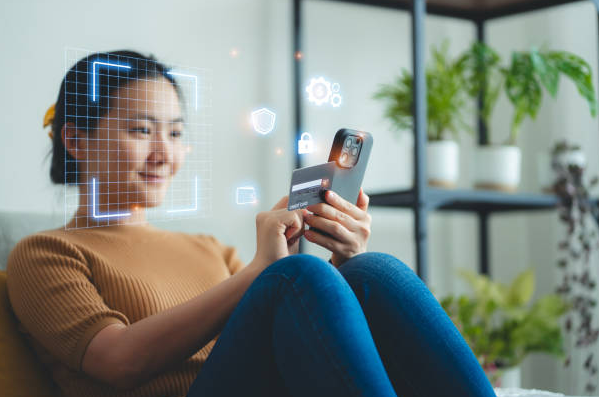
In today’s digital age, facial recognition has rapidly become a cornerstone of biometric authentication. From unlocking smartphones to verifying identity at airports, this technology is integrated into our daily lives more than ever. However, with the rise in its usage comes an increase in sophisticated fraud attempts — especially through spoofing. That’s where liveness detection software steps in as a critical line of defense.
What Is Liveness Detection?
Liveness detection is a technique used in biometric systems to determine whether the source of a biometric sample, in this case, a face, is from a live person physically present at the time of capture or a fake representation such as a photo, video, or mask.
Spoofing attacks on facial recognition systems can be surprisingly simple. Fraudsters may use high-resolution photos, deepfake videos, or even 3D masks to trick systems into granting unauthorized access. Without robust liveness detection, even the most advanced facial recognition software can be vulnerable.
Active vs Passive Liveness Detection
There are two main types of liveness detection:
- Active Liveness Detection: This approach requires some form of user interaction. The system may ask the user to blink, smile, turn their head, or follow an on-screen prompt. These movements are then analyzed to confirm the presence of a live user. While effective, this method can interrupt the user experience and may not be ideal for all applications.
- Passive Liveness Detection: In contrast, passive detection analyzes subtle cues like skin texture, lighting reflections, and depth to verify liveness without requiring any user interaction. This makes the process seamless and more user-friendly, which is essential for applications like mobile banking or e-commerce where convenience is key.
Why Liveness Detection Matters
Facial recognition technology, while powerful, is only as secure as the mechanisms that protect it. Liveness detection software serves several important functions:
- Fraud Prevention: The primary goal is to prevent spoofing attacks, ensuring that only real users can gain access to sensitive systems or data.
- Compliance: With the rise of data privacy regulations like GDPR and CCPA, businesses must ensure that biometric data is handled securely. Liveness detection adds an essential layer of protection that helps meet compliance standards.
- User Trust: Customers are more likely to adopt facial recognition if they know it’s safe and secure. Liveness detection builds trust by ensuring that the system can’t be easily fooled.
Real-World Applications
Liveness detection is already being used in a variety of sectors:
- Banking and Finance: Online banks and fintech platforms use facial recognition and liveness detection for Know Your Customer (KYC) compliance and to prevent identity theft during account creation or high-risk transactions.
- Healthcare: In telemedicine, verifying a patient’s identity is crucial before offering medical advice or issuing prescriptions. Liveness detection ensures the person on the screen is truly who they claim to be.
- Travel and Border Control: Airports around the world are integrating biometric checks to speed up boarding and customs. Liveness detection helps eliminate the risk of identity fraud during these processes.
- Remote Work Verification: As remote work becomes the norm, companies use facial recognition and liveness checks to verify employee identities for secure logins and access to internal systems.
Challenges and Limitations
Despite its many benefits, implementing liveness detection software isn’t without challenges:
- Hardware Dependency: High accuracy often requires high-quality cameras or depth sensors, which may not be available on all devices.
- False Rejections: Overly strict algorithms can sometimes flag genuine users as fake, leading to frustration and poor user experience.
- Evolving Threats: As spoofing techniques evolve, liveness detection software must continually adapt. Deepfake technology, in particular, poses a significant challenge due to its increasing realism.
The Future of Liveness Detection
The future of liveness detection is closely tied to advances in artificial intelligence and machine learning. As these technologies evolve, so too will the ability to detect even the most subtle signs of life — such as micro-expressions, pulse detection via skin color changes, and involuntary eye movements.
Moreover, integration with multi-modal biometric systems — combining facial recognition with voice, fingerprint, or iris scanning — will offer even greater levels of security. This layered approach significantly reduces the chances of a successful spoofing attempt.
Another exciting area is decentralized identity systems, where users store their biometric data on personal devices rather than in central databases. Liveness detection will play a vital role in securing these systems by ensuring that access is granted only to living, authorized users.
Conclusion
As facial recognition becomes an increasingly common way to verify identity, the need for robust liveness detection software cannot be overstated. Whether it’s protecting financial transactions, ensuring secure remote access, or enhancing airport security, liveness detection acts as the gatekeeper against fraudulent access.
While challenges remain, continued innovation in this field promises more secure and seamless user experiences. For businesses and consumers alike, embracing liveness detection is no longer optional — it’s a necessity in the age of digital identity.
Be the first to comment on "Understanding Liveness Detection Software: Enhancing Security in a Facial Recognition World"