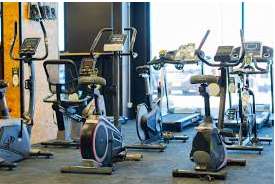
The growing demand for commercial gyms, performance training facilities, rehabilitation clinics, and educational facilities is fuelling Sydney’s fitness industry’s continued expansion. Gym owners and operators must source equipment wisely to ensure performance, longevity, and long-term business growth considering the heightened competition.
It takes more than just pricing to select the best equipment for gym business. It involves choosing partners who are knowledgeable about space planning, return on investment, compliance requirements, and commercial demands. This blog lists the necessary equipment that every gym should prioritise as well as factors to consider while sourcing it.
Why Equipment Selection Matters for Gym Growth
Any fitness centre’s equipment has a direct impact on:
- Experience and retention of members
- Training results and security
- Efficiency of operations
- Costs of ongoing maintenance
Well-planned equipment selections enable gyms to serve a larger clientele, enhance session flow, and provide a trustworthy atmosphere for both members and customers.
Key Equipment Categories for a Commercial Gym Business
Gym owners should prioritise equipment that accommodates various training types and user levels when designing or renovating a facility.
Strength Training Equipment
The majority of commercial gyms and performance centres have strength zones as a fundamental component. Among the necessary things are:
- Squat racks and power racks
- Benches that are movable
- Weight plates and barbells
- Dumbbells that are stored properly
- Selectorized and plate-loaded machines
Strength training equipment ought to be made to withstand heavy use and be adaptable to a variety of body shapes and skill levels.
Functional Training and Performance Equipment
Functional training is still widely used in rehabilitation centres, sports facilities, and PT studios. This category promotes athletic development and movement-based training.
Typical gear consists of:
- Attachments and rig systems
- Medicine balls and kettlebells
- Boxes for plyometrics
- Resistance tools and sleds
- Equipment for speed and agility
Gyms can accommodate sport-specific programs, personal training, and group sessions without requiring a lot of room thanks to functional zones.
Flooring and Space Planning Solutions
Flooring is crucial for equipment protection, safety, and noise reduction. Good flooring options prolong the life of facilities and equipment and aid in defining training areas.
Common flooring choices consist of:
- Rubber flooring for regions of strength
- Platforms that absorb shock
- Turf lanes for agility and sledge work
During peak hours, well-planned layouts lessen crowding and enhance traffic flow.
What to Look for in Gym Equipment Suppliers Sydney
Not every supplier provides the same level of assistance or knowledge. Gym owners should search beyond product lists when acquiring equipment for the expansion of their businesses.
Important things to think about are:
- Familiarity with institutional and commercial facilities
- Knowledge of and adherence to Australian safety regulations
- Capacity to facilitate extensive installations
- Post-purchase assistance and upkeep
- Advice on the layout and selection of equipment
Suppliers who are familiar with gym operations can help prevent expensive errors and suggest solutions that support corporate objectives.
Supporting Different Facility Types
Different equipment selection strategies are needed for different contexts.
- Commercial gyms require equipment that is robust, adaptable, and able to accommodate large numbers of members
- Specialised strength and functional tools for athletic development are beneficial to performance centres and sports clubs
- Strong, secure equipment that is appropriate for a range of age groups is needed in schools and community institutions
The main goals of rehabilitation clinics are user safety, adaptability, and controlled movement.
Selecting vendors who are aware of these differences ensures that the equipment is suitable for its intended use.
Future-Proofing Your Gym Investment
The fitness sector is rapidly changing. Equipment that allows for flexibility and scalability should be purchased by gym operators.
Considerations for the future include:
- Systems that are modular and can grow over time
- Equipment with several uses that accommodates various training philosophies
- Layouts that can change to meet the needs of members
As training trends continue to evolve, facilities can stay competitive by partnering with trusted gym equipment providers that Sydney businesses rely on.
Wrapping Up
The strategic choice of gym equipment affects all facets of a fitness centre, from day-to-day operations to long-term expansion. Gym operators may create spaces that draw members and promote long-term success by concentrating on key equipment categories, making quality and adaptability the first priority, and collaborating with knowledgeable suppliers.
Careful equipment design is more than just a cost for gyms in Sydney. It is an investment in lifespan, performance, and safety.
Be the first to comment on "Top Gym Equipment Suppliers in Sydney: Essential Equipment for Growing Your Gym Business"