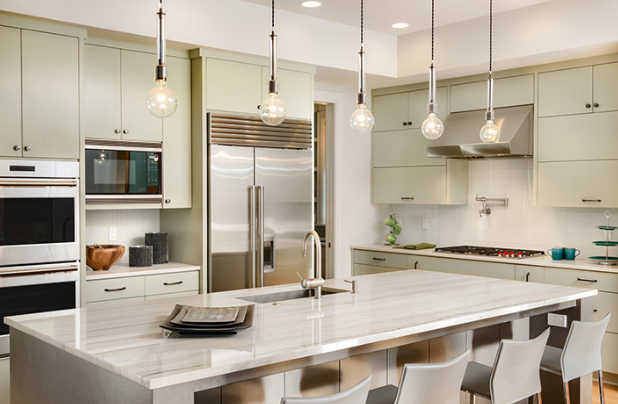
Picking a new countertop feels exciting at first. Then you walk into a showroom and the options hit you like a wall. Stone, wood, laminate, porcelain where do you even start?
Here’s the truth: there is no single “best” countertop. The right one depends on how you cook, how you live, and what you want your kitchen to feel like every single morning.
A lot of Milwaukee homeowners come to us after spending weeks overwhelmed by choices. They just want honest, practical advice without the sales pitch. That’s exactly what this guide is here for.
One surface that keeps coming up in conversations is engineered stone. Homeowners who want beauty without the constant upkeep are turning to quartz countertops for kitchens more than ever before. And for good reason we’ll get into why shortly.
But first, let’s make sure you go into this purchase as a truly smart buyer. That means understanding what matters before you spend a single dollar.
Start with Your Lifestyle, Not the Look
Most people do this backwards. They fall in love with a color or a finish, buy it, and then realize it doesn’t work for their kitchen routine.
Think about how you actually use your kitchen. Ask yourself a few honest questions:
- Do you cook from scratch every night?
- Do you have kids who drop things and spill constantly?
- Do you host often and need a surface that cleans up fast?
- Does your kitchen get a lot of direct sunlight?
Your answers will shape every decision that follows. A home baker who rolls dough needs something different than a family that mostly reheats takeout.
Milwaukee kitchens also deal with cold winters and humid summers. Some materials handle that better than others. Keep that in mind as we go.
The Most Popular Countertop Materials Right Now
Here’s a quick honest breakdown of what’s actually out there and what each material is like to live with.
Quartz (Engineered Stone)
Quartz is made by combining crushed natural quartz with resins and pigments. You get the look of stone without the maintenance headache. It’s non-porous, so bacteria and stains don’t stand a chance. It’s also incredibly consistent in pattern, which makes matching slabs easy.
The biggest drawback? It doesn’t love heat. Always use a trivet. It can also fade in rooms with heavy direct sunlight. But for most Milwaukee homeowners, the trade-off is more than worth it.
It’s currently one of the most installed surfaces in the country — and the Milwaukee market reflects that trend completely.
Granite
Granite is timeless. Every slab is different, which gives your kitchen a one-of-a-kind look. It handles heat well and is extremely hard.
The catch: it’s porous and needs to be sealed once a year. Spill red wine and don’t wipe it fast? It can stain. It’s also heavier, which means your cabinets need to support the weight.
Marble and Marble-Look Alternatives
Real marble is gorgeous. It’s also high-maintenance. Acidic things like lemon juice or vinegar etch the surface. It scratches. It stains.
If you love the marble look, consider a porcelain or quartz version. You get the visual without the constant babysitting.
Solid Wood / Butcher Block
Wood countertops are warm and welcoming. They’re great for prep areas. But they need regular oiling, and standing water will damage them over time.
In Milwaukee kitchens, we usually recommend using wood in a specific zone — like an island — rather than throughout the whole kitchen.
Laminate
Don’t write laminate off. Modern laminate looks far better than the stuff from the 1980s. It’s budget-friendly, easy to clean, and comes in hundreds of finishes.
It won’t handle a hot pan or a sharp knife directly. But if budget is tight, newer laminate options can still give you a clean, modern kitchen.
Porcelain and Sintered Stone
These are relative newcomers but they’re making waves. Ultra-hard, scratch-resistant, and heat-resistant. Big slabs mean fewer visible seams.
They’re trickier to cut and install, so you need an experienced fabricator. But the durability is genuinely impressive.
Understanding What You’ll Actually Pay
This is where buyers often get a shock. The material price is just the beginning.
The cost of quartz countertops varies quite a bit depending on brand, thickness, and edge profiles. Generally, in the Milwaukee area you’re looking at somewhere between $70 and $150 per square foot installed. Premium brands or unusual colors can push that higher.
But that installed price includes more than just the slab. It covers templating, cutting, edging, and labor. Always ask for an all-in quote so you’re comparing apples to apples.
Here’s a rough price guide by material:
- Laminate: $20–$50 per sq ft installed
- Quartz: $70–$150 per sq ft installed
- Granite: $60–$140 per sq ft installed
- Porcelain/Sintered: $80–$180 per sq ft installed
- Marble: $100–$200+ per sq ft installed
- Butcher Block: $40–$100 per sq ft installed
Hidden costs to watch out for:
Sink cutouts (usually $100–$200 extra)
- Cooktop cutouts
- Waterfall edges on islands
- Removing and disposing of your old countertop
Also factor in long-term costs. A cheap laminate may need replacing in 10 years. A quality quartz slab can last 25+ years with almost zero upkeep. That changes the math significantly.
Five Things to Check Before You Buy Anything
This is practical stuff that gets skipped way too often.
1. Get the template done before you order.
A good fabricator will visit your kitchen and take exact measurements. Never let anyone order material based on rough estimates.
2. Ask about the slab, not just the brand.
Two slabs of the same brand can look completely different. Always pick your specific slab in person at the yard.
3. Check the edge profile options.
Edges change the whole feel of the countertop. A simple flat edge looks sleek and modern. An ogee or bullnose is more traditional. Make sure the edge is included in your quote.
4. Confirm the turnaround time.
Custom countertops in Milwaukee can take 2–4 weeks from templating to installation. Plan your kitchen downtime accordingly.
5. Read the warranty.
Most reputable brands offer 10–15 year warranties. Make sure it covers chips, cracks, and manufacturing defects. And keep your paperwork.
Choosing the Right Finish and Thickness
People underestimate how much the finish affects daily life.
A high-gloss polish looks stunning in photos. But every fingerprint and water spot shows up clearly. If you have a busy kitchen, a matte or honed finish is far more forgiving.
For thickness, 3cm (about 1.2 inches) is the standard for stone countertops and it’s what most Milwaukee installers work with. It’s sturdy, looks proportional, and doesn’t require extra support across most spans.
Thinner profiles (2cm) are sometimes used on vertical surfaces or with laminated edges to create a chunkier appearance without the added weight.
How to Find a Good Installer in Milwaukee
The material matters. The installer matters just as much.
A poor install can ruin a beautiful slab. Seams that don’t match. Edges that aren’t flush. Gaps around the sink. These are avoidable if you pick the right crew.
Here’s how to vet a fabricator in the Milwaukee area:
- Ask to see recent projects — not just photos, but references you can actually call
- Check Google and Yelp reviews specifically for countertop work
- Confirm they do in-home templating (not just estimates by phone)
- Ask whether they own their own CNC cutting equipment or outsource fabrication
- Make sure they carry liability insurance
Don’t automatically go with the cheapest quote. Mid-range pricing from a well-reviewed local shop will often save you money in the long run.
Making the Final Decision
By now you should have a much clearer picture of what you actually need. Let’s pull it all together.
If durability and low maintenance are your top priorities, engineered stone is hard to beat. Homeowners who want a long-lasting, fuss-free surface tend to look at options like that combine performance with visual appeal.
If you’re working with a tighter budget but still want a clean, updated look, quality laminate or a mid-grade granite can work very well in a Milwaukee home.
If you want something truly investment-grade, something that raises your home’s resale value and holds up for decades then look at porcelain, quartz, or granite from a trusted local fabricator.
Curious about the science behind engineered stone? Quartz as a mineral is one of the hardest naturally occurring substances on earth, which explains why countertops made from it are so resistant to daily wear. That background is worth knowing when a salesperson is talking up “scratch resistance.”
And for a deeper dive into how pricing, installation, and materials intersect, it helps to explore — so you know exactly what variables drive your final quote up or down.
Quick Tips Before You Sign Anything
Always request an itemized quote, not just a lump sum
- Visit the slab yard and pick your specific piece in person
- Ask what’s included in the edge price
- Find out if the installation crew is in-house or subcontracted
- Get a written timeline for templating and installation
- Confirm how seams will be placed — especially on large L-shaped or island countertops
Ask if they’ll do a final walkthrough after install to address any concerns
Eco-Friendly Options Worth Considering
If sustainability matters to you, you’re not out of luck. Several countertop options have a lighter environmental footprint.
- Recycled glass countertops are made from post-consumer glass and are completely unique
- Reclaimed wood adds character and keeps material out of landfill
- Some quartz brands use a significant percentage of recycled content
- Locally sourced granite reduces transportation emissions
Ask your Milwaukee supplier about their sourcing practices. More fabricators are offering greener options than ever before.
Final Thoughts
A great kitchen countertop isn’t just something you look at. It’s something you use every single day. It deserves real thought, not a snap decision based on a showroom display.
Take your time. Get samples. Visit a fabricator’s yard. Talk to neighbors in Milwaukee who’ve recently renovated. And always ask for a full itemized quote before you commit.
The right surface is out there and now you have the knowledge to find it.
Frequently Asked Questions
How long do kitchen countertops typically last?
It depends on the material and how well you care for it. Quartz and granite can last 25–30 years or more. Laminate usually needs replacing after 10–15 years. Solid wood is variable depending on maintenance.
Is quartz really better than granite?
Not necessarily — they’re just different. Quartz is lower maintenance and more consistent. Granite is more heat-resistant and each slab is unique. Your lifestyle should drive that choice, not trends.
Can I install countertops myself?
Laminate is DIY-friendly. Stone, quartz, and porcelain are not. They’re heavy, require precision cutting, and mistakes are expensive. In Milwaukee, professional installation is always recommended for stone surfaces.
What’s the best countertop for resale value?
Quartz and granite consistently add perceived value in real estate. Buyers in Milwaukee respond well to both. Avoid cheap laminate if resale is a priority in the near future.
How much does countertop installation typically cost in Milwaukee?
For a standard kitchen, expect to pay $2,500–$6,000 total for mid-range quartz or granite, fully installed. Smaller kitchens and simpler layouts cost less. Large kitchens with islands, waterfall edges, or custom cutouts can go higher.
Do I need to seal quartz countertops?
No. Quartz is non-porous and doesn’t require sealing. That’s one of its biggest advantages over natural stone. Just clean with mild soap and water and you’re done.
Be the first to comment on "Smart Buyer’s Guide to Modern Kitchen Countertops"