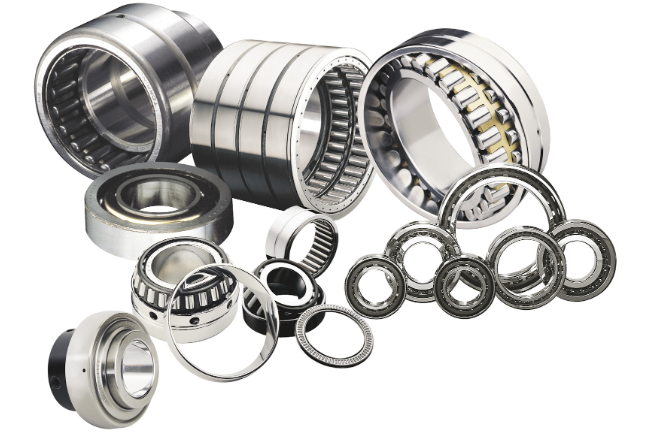
Pillow block bearings are the workhorses of industry, but they don’t last forever if you don’t take care of them. We have been on way too many operations where something simple like not performing basic maintenance has ground our efforts to a halt, so let’s discuss how to keep these working parts healthy.
Understanding Your Equipment First
Before you go grabbing any tools, check what exactly you’re working with. They are the simplest type of bearing unit, that is, they are mounted units with a rotating bearing. These Pillow block bearing India are classified as rolling element bearing s which performs in quick rotational shaft motion. The bearing is protected from debris by the housing and supported thereby. Various applications will require specific types of bearings, whether it be ball bearing for lighter loads or roller bearings that can support high-impact industrial operations.
Lubrication:
Your Bearings’ Lifeblood There’s nothing that can shorten a pillow block bearing’s life more than lousy lubrication. Grease is your friend here, but you have to use it properly. So if the regreasing schedules suggest intervals (they generally do), bear in mind that in a real-world application some change to these intervals will likely be appropriate. If you’re working in dusty conditions or high heat, that may require more-frequent greasing.
Here’s what actually works:
Wipe the grease fitting clean before everything. Grease using a suitable lubricant as recommended by the manufacturer. Pump the grease in slowly until you notice new grease coming out of the seals. Keep it low: too much grease will build up pressure and can blow seals or push contaminants into the bearing. Temperature matters enormously. Cold temperatures can cause grease to thicken and not flow as required.
In scorching conditions, it breaks down faster. Adjust your maintenance schedule accordingly rather than blindly following a calendar.
Inspection Routines That Actually Catch Problems
As per the guidelines of Pillow block bearing India it is advisable to know the uncommon noises: grinding, squealing, or clicking sounds all indicate trouble. A smooth-running bearing should be nearly silent.
Temperature checks are crucial. Touch the housing carefully (not during operation if it’s too hot). Excessive heat means something’s wrong could be insufficient lubrication, contamination, or bearing damage. Infrared thermometers are fantastic tools for spotting temperature variations across multiple bearings.
Look for vibration. Place your hand on the housing during operation. Excessive vibration often indicates misalignment, imbalance, or bearing wear. If you’ve got the budget, vibration analysis tools provide early warning before catastrophic failure occurs.
Dealing with Contamination
- Dust, water, and chemical contamination are bearing killers. Seals and shields provide some protection, but they’re not fool proof. In harsh environments, consider upgrading to better sealing systems or adding protective covers around the housing.
- When moisture is a concern, check drain holes regularly. Some housings include drain plugs at the bottom these allow condensation to escape. If water accumulates inside the housing, your bearing’s days are numbered.
- Chemical exposure requires special attention. Certain greases and seal materials don’t tolerate aggressive chemicals. Verify compatibility before installation, because replacing bearings repeatedly gets expensive fast.
Alignment: The Foundation of Longevity
Misalignment causes premature failure more often than people realize. When installing or checking pillow blocks, use proper alignment tools. Laser alignment systems are ideal, but even straightedges and dial indicators work if used correctly.
Shaft alignment matters in multiple planes. Angular misalignment occurs when shafts aren’t parallel. Offset misalignment happens when shaft centrelines don’t match. Both create excessive loads that destroy bearings. Check alignment during installation and recheck periodically, especially after machinery has been moved or modified.
Base mounting surfaces must be flat and clean. Any debris under mounting feet can disrupt alignment, even in small quantities. Torque mounting bolts to specified torque value in proper sequence to avoid warpage.
Monitoring Shaft and Housing Health
The condition of the shaft surface upon which the bearing rides is critical. The damage of new bearings is fast if the shaft has scratches, corrosion or wear. Before a bearing is installed, examine the shaft carefully. If any imperfections draw attention, they can be polished out or shafts replaced. Covering condition often gets overlooked. Inspect the mounting surface for cracks, corrosion or damage. Examine bolt holes for being enlarged or threads damaged. A damaged housing will not do the bearing any good anyway.
When to Replace
The bearing is worn, loose in the pedal body and/or has cracks on its races or rolling elements; it continues heating up despite being lubricated correctly; Spalling cannot be serviced. Further operation will damage the shaft and housing. When you observe these signs then change your bearing as soon as possible.
Documentation
Your Secret Weapon Record everything. Make sure to mark when you grease you bearings, what type of grease used, temperature readings and anything unusual. This data reveals trends that make it possible to predict failures before they occur. You’ll be able to see at a glance if there is any one bearing that seems to require attention more often others, which may indicate broader issues with that application.
Environmental Considerations
Severe temperatures, extreme humidity, corrosive atmospheres and harmful contamination attacks all reduce bearing life. And sometimes the best maintenance plan is environmental control. The simple addition of an enclosure, better ventilation, or a move of equipment would significantly prolong bearing life.
Conclusion
Keeping pillow block bearings maintained is not the most exciting work itself, but it saves against extended downtime and longevity of equipment. Routines are important they develop consistency, pay attention to what your equipment is telling you and get things fixed. The bearings that receive regular care will outlast neglected ones by years and thousands of dollars, in terms of breakdowns which always seem to occur when least convenient.
Be the first to comment on "How to Maintain a Pillow Block Bearing: A Comprehensive Guide"