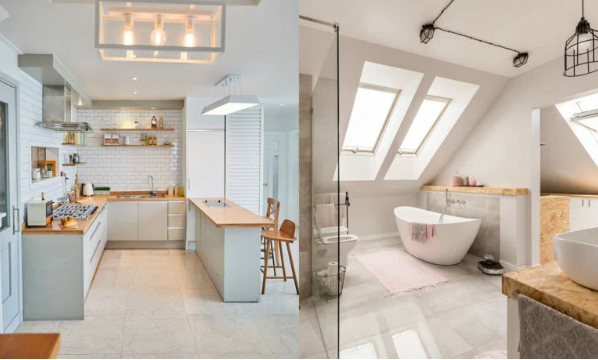
Choosing the right countertop for a bathroom or kitchen can feel overwhelming. There are many materials, price points, design trends, and durability claims to sort through. Yet countertops are more than just decorative surfaces. They are functional workspaces that handle daily wear from cooking, cleaning, moisture, and heat. Understanding the basics how materials are made, how they perform, and how they impact home value helps homeowners make informed decisions that last for years.
Understanding the Main Countertop Materials
Before selecting a surface, it’s important to understand how the most common materials differ.
1. Quartz (Engineered Stone)
Quartz countertops are made by combining natural quartz crystals with resins and pigments. This manufacturing process creates a non-porous, uniform surface that does not require sealing.
Industry trend surveys consistently report quartz as one of the most popular countertop materials in the United States due to its durability and low maintenance. Unlike natural stone, engineered quartz resists staining and does not harbor bacteria easily because it lacks pores.
Independent product testing organizations have also highlighted quartz for its scratch resistance and consistent color options. These qualities make it particularly attractive for busy family kitchens.
2. Granite
Granite is a natural stone cut from quarries and polished for residential use. Every slab is unique. It withstands heat well and offers a high-end appearance. However, because granite is porous, it typically requires periodic sealing to prevent staining.
Home improvement experts often note that granite remains a strong competitor in the premium countertop market, especially among homeowners who value natural variation and resale appeal.
3. Marble
Marble is known for elegance and classic design. It is softer than granite and quartz, which means it can scratch and etch more easily. Marble is often selected for bathrooms or lower-traffic areas rather than heavy-use kitchens.
4. Laminate
Laminate is a budget-friendly option made from layers of plastic bonded to particleboard. While modern laminates have improved in appearance, they are less resistant to heat and scratching compared to stone materials.
Kitchen Countertops: Function Meets Design
The kitchen is one of the most used rooms in any home. Countertops must handle hot pans, food spills, cutting, and cleaning products.Remodeling industry reports consistently show that kitchen upgrades rank among the top projects for homeowner satisfaction and resale potential. Durable quartz kitchen countertops KY often play a major role in these renovations, combining style with long-lasting performance.Engineered quartz surfaces have gained attention because they combine durability with modern aesthetics. Their non-porous structure helps resist staining from common kitchen substances like coffee, wine, and oils. Additionally, they require less maintenance than natural stone, which appeals to busy households.
Bathroom Countertops: Moisture Is the Main Concern
Bathrooms face a different challenge: constant exposure to water and humidity. Materials must resist mold growth, warping, and staining from cosmetics or cleaning products.When planning bathroom renovation work in Kentucky, homeowners often prioritize surfaces that are easy to clean and resistant to moisture damage. Quartz and solid surface materials are frequently chosen because they minimize the risk of bacterial buildup.Health and building authorities emphasize the importance of moisture control in preventing mold growth in residential spaces. Choosing a non-porous countertop material can help support that goal, particularly in humid environments.
Durability and Long-Term Value
Homeowners frequently ask: “Will this investment last?”A second look at quartz kitchen countertop installations in the Lexington KY area shows a growing preference for materials that balance durability with resale value. While granite remains desirable, quartz has gained traction because it requires less maintenance over time.Home improvement analysts note that buyers increasingly value low-maintenance materials. Engineered surfaces that resist staining and do not require annual sealing can reduce long-term upkeep costs.
Annual cost-versus-value reports consistently show that mid-range kitchen remodels recover a significant percentage of their cost at resale. Countertops play a central role in that calculation.
Maintenance: What Homeowners Should Expect
One of the biggest differences between materials is ongoing care.
- Quartz: No sealing required. Clean with mild soap and water.
- Granite: Requires periodic sealing. Avoid harsh chemicals.
- Marble: Prone to etching; needs careful maintenance.
- Laminate: Easy to clean but vulnerable to heat damage.
From a practical standpoint, homeowners who prefer a “set it and forget it” surface often lean toward engineered quartz.
Environmental and Health Considerations
Consumers are also paying closer attention to environmental impact. Some quartz manufacturers incorporate recycled materials, and many products are certified for low chemical emissions.Green building programs encourage use of durable materials that reduce long-term replacement waste. Countertops that last decades instead of years contribute to sustainability goals.
Cost Comparison in Simple Terms
While prices vary by region and installation complexity, here is a simplified breakdown:
- Laminate: Lowest cost, shortest lifespan.
- Granite: Mid-to-high cost, natural beauty, requires maintenance.
- Quartz: Mid-to-high cost, consistent appearance, low maintenance.
- Marble: High cost, elegant but less durable in kitchens.
For homeowners balancing budget and performance, engineered quartz often lands in the “best overall value” category.
Design Trends to Watch
Recent design trends emphasize clean lines and neutral tones. White, gray, and subtle veining patterns remain popular.
Trend forecasts from kitchen and bath industry leaders show homeowners are also mixing materials using quartz for perimeter counters and adding a contrasting island surface for visual interest.
Why Countertop Knowledge Matters
Countertops are not just cosmetic upgrades. They influence hygiene, maintenance routines, resale value, and environmental impact.Independent testing organizations and remodeling industry reports consistently emphasize durability, maintenance, and cost recovery as key decision factors. Homeowners who research materials carefully are more likely to choose surfaces that perform well over time.For webmasters, contractors, and real estate professionals, referencing authoritative, research-backed explanations of countertop materials provides value to readers making important renovation decisions. Clear, evidence-based guidance strengthens trust and enhances user experience.
Frequently Asked Questions
1. Are quartz countertops better than granite?
Quartz is generally more stain-resistant and requires less maintenance because it is non-porous. Granite offers natural uniqueness but needs sealing.
2. Do quartz countertops increase home value?
Yes. Remodeling impact reports suggest durable and modern countertops can positively influence resale value, especially in kitchens.
3. Are quartz countertops safe for bathrooms?
Yes. Their non-porous surface makes them resistant to moisture and bacterial growth, making them ideal for humid spaces.
4. How long do quartz countertops last?
With proper care, quartz countertops can last 20 years or more.
5. What is the most budget-friendly countertop option?
Laminate is typically the most affordable upfront, but it may not last as long as stone or engineered surfaces.
Be the first to comment on "Bathroom and Kitchen Countertops Explained in Simple Terms"